I received the following question from a gardener who moved to Colorado, and I thought, ooooh, that’s a good one!
“What plants struggle in Colorado?”
Here are some popular plants from other parts of the country that are best to skip in Colorado if:
- You don’t want extra work.
- You’d like to keep money in your wallet.
- You want to be smart with water.
- You’d like your Colorado landscape to consistently look good.
Let’s dig in!
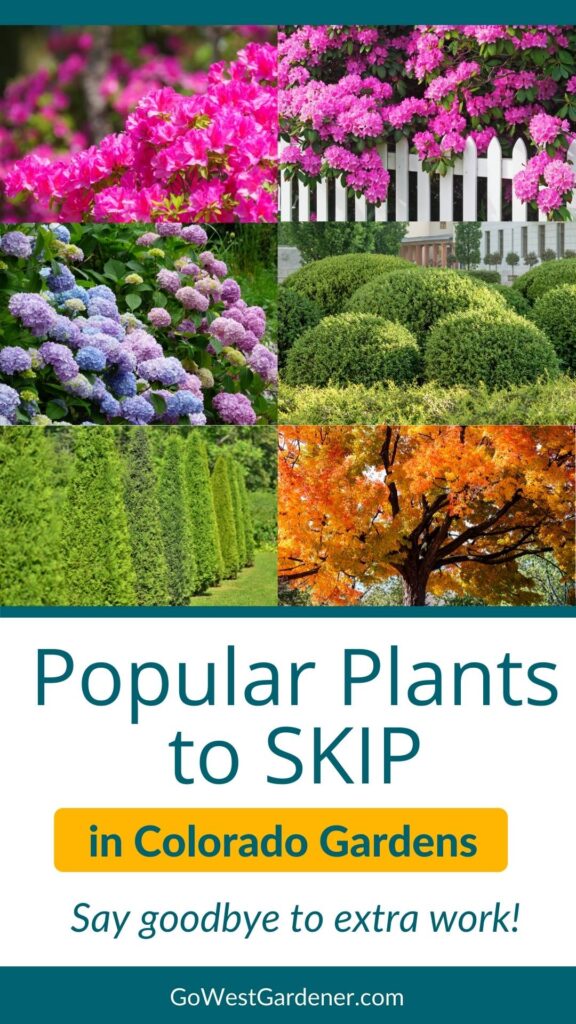
Azaleas and rhododendrons
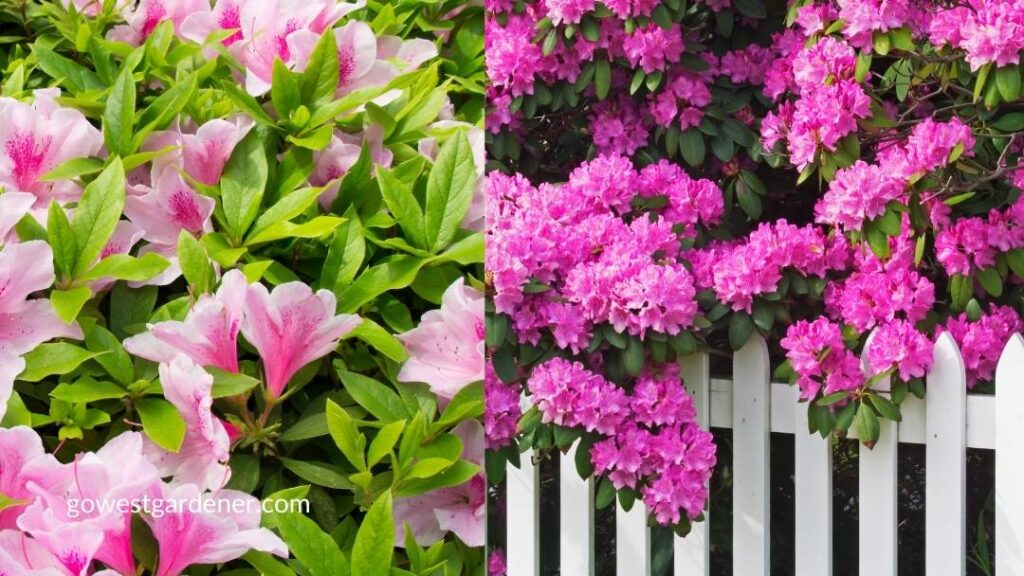
Azaleas and rhododendrons are flowering shrubs that thrive in parts of the country that get more rainfall and have acidic soil (dirt).You’ll see azaleas growing in gardens along the East Coast and gracing photos in Southern Living magazine. Rhododendrons are popular in the Pacific Northwest.
But azaleas and rhododendrons struggle in Colorado.
Why? Because our soil is too alkaline for them. It’s tough for these acid-loving plants to get the nutrients they need from the ground, and they decline in health.
You may see azaleas and rhododendrons in the box stores and think, “But they look so pretty!”
Keep on walking.
Those stores don’t always have plants that are well suited for our unique growing conditions in the Rocky Mountain region. Azaleas and rhododendrons will have a tough time looking pretty in the ground.
Hydrangeas
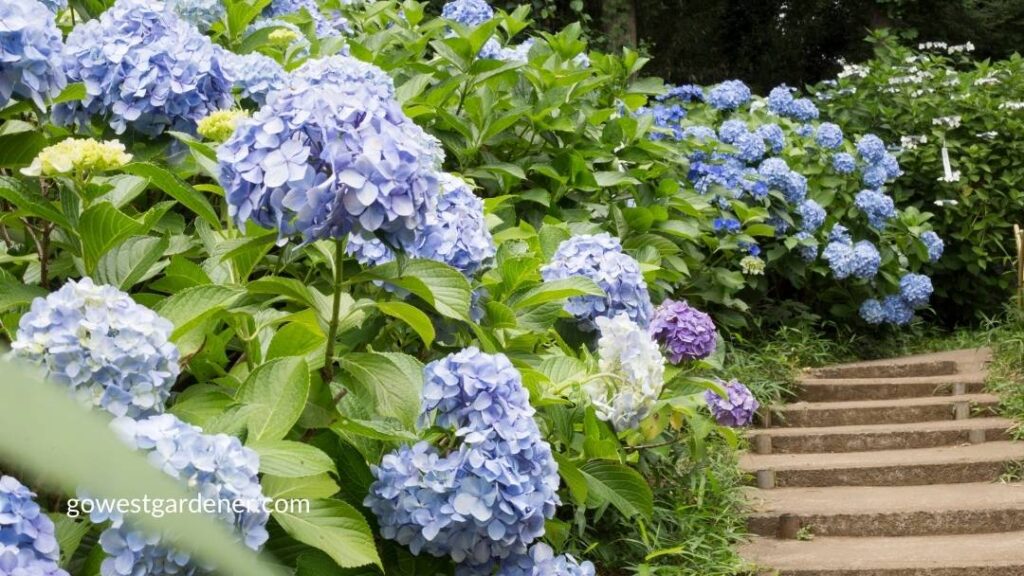
Hydrangeas are another type of flowering shrub. The majority don’t fare so well here… with a few exceptions.
But more importantly, hydrangeas need A LOT of water. Heck, they even have “hydra-” in their name!
Hydrangeas need up to 2 inches of water per week in hot and dry weather just to keep from wilting, according to the University of Massachusetts Amherst. Given how hot and dry our summers are, that’s about 20+ inches of moisture in July and August alone.
To put that in perspective, we get an average of 8-16 inches of moisture for the entire year at our lower elevations in Colorado. (The exact amount depends on where you live.) In contrast, Seattle and Chicago get close to 40 inches of moisture per year. Boston gets about 44 inches per year. And Atlanta and Orlando get around 50 inches per year.
Hydrangeas are beautiful… but typically, they are not a great fit for our semi-arid climate.
Boxwoods and arborvitaes
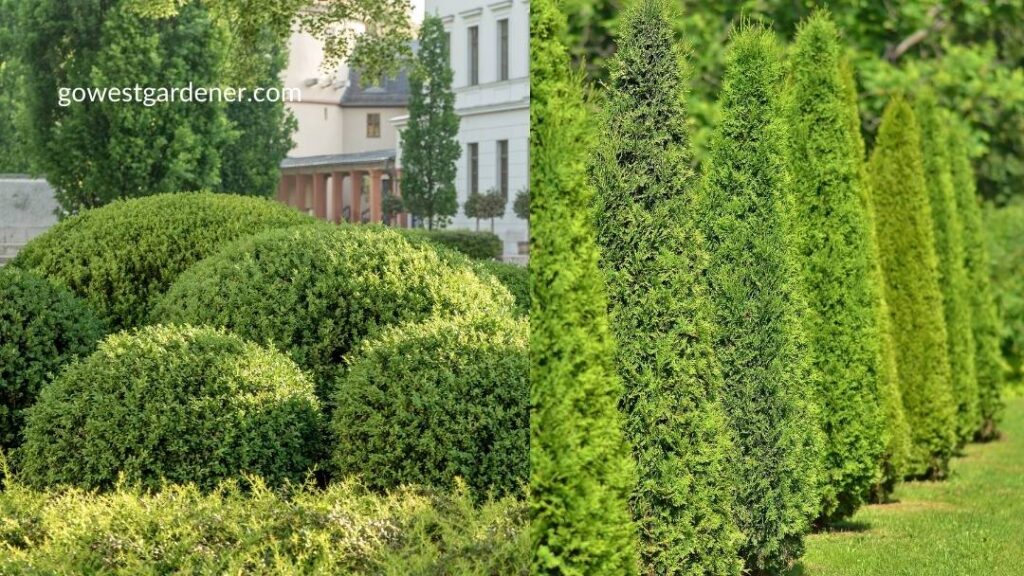
Boxwoods and arborvitaes are decorative landscape plants that are popular in other parts of the country. When they’re healthy, they (typically) keep their color all winter.
But here in Colorado, these evergreen shrubs and trees aren’t big fans of our winters, and they’ll let you know it!
I wrote a whole article on this topic: See why boxwoods and arborvitaes struggle in our Colorado winters >
Many types of maple trees
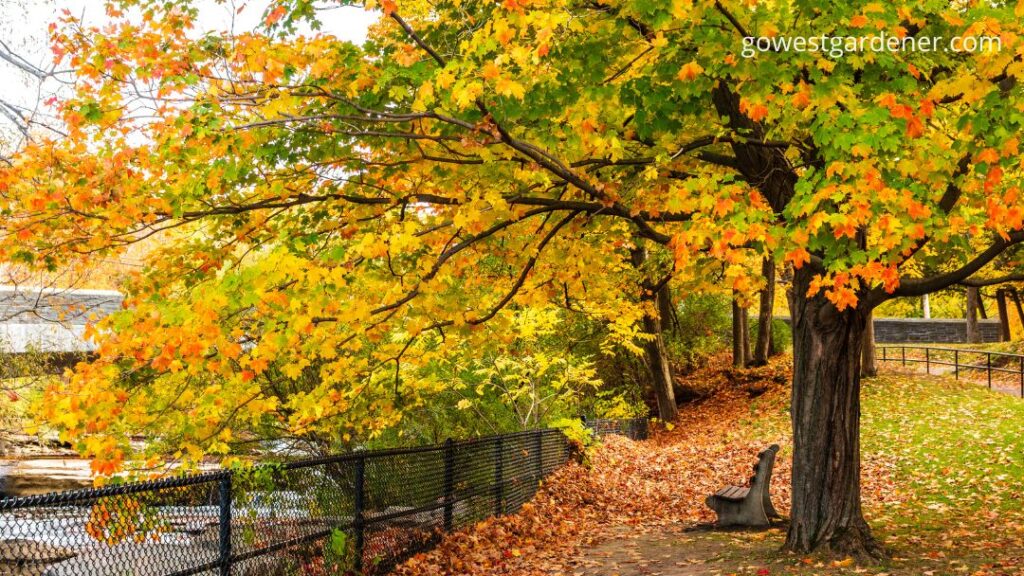
I grew up in a Midwestern state with beautiful maple trees, so this was a hard one for me when I first moved here.
But many maple trees have a hard time absorbing iron from our soils. They are prone to “iron chlorosis” in Colorado. Their leaves can turn chartreuse green, and they often need to be treated with iron annually, which means you’re shelling out money to a tree company.
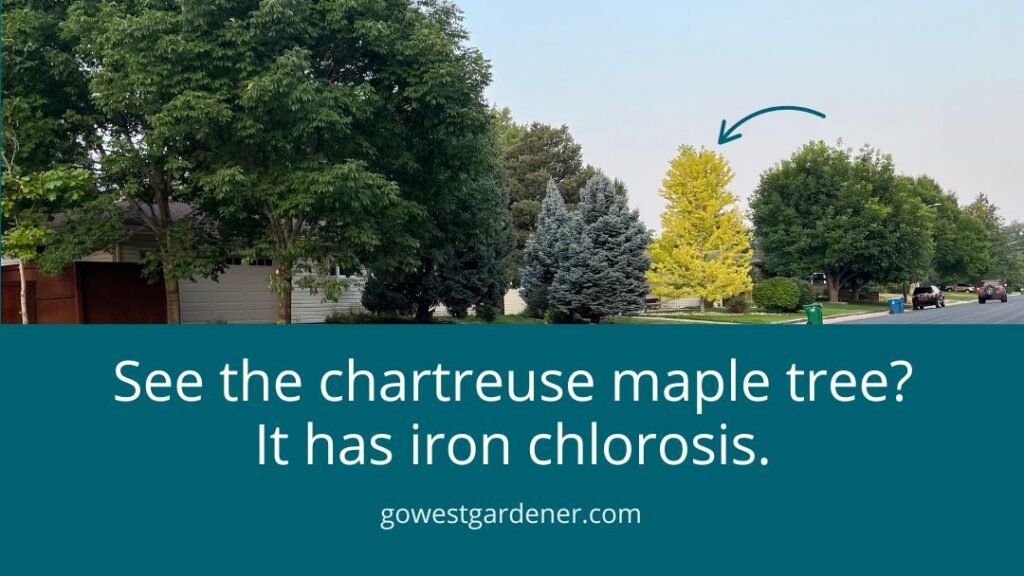
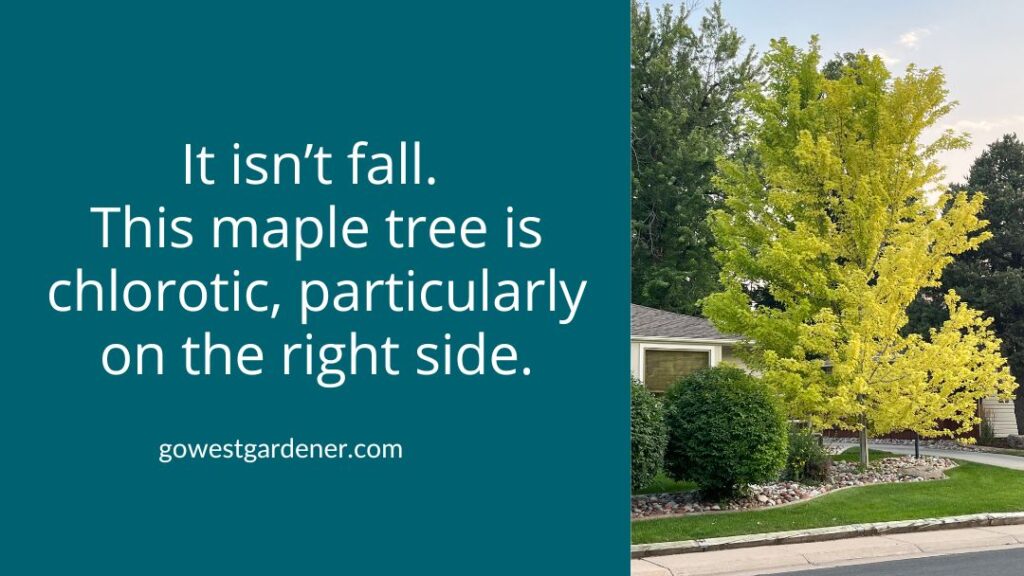
They also can struggle in our drought, our big temperature swings and our heavy spring snowstorms.
If you have your heart set on a maple, check out Bigtooth Maples (Acer grandidentatum) and Tatarian Maples (Acer tataricum). Both have a stronger track record than other maples in Colorado. Bigtooth Maples are native to western Colorado and Utah.
So, what does all this mean for your Colorado garden?
You have a choice!
You can absolutely plant any of these plants if you really want to. But if you want an easier time, why not focus on plants that thrive in our western growing conditions?
There are plenty of beautiful western plants to choose from!
- For examples of plants that grow well in our Rocky Mountain region, check out the non-profits: Plant Select and Conservation Garden Park. You’ll helpful plant search tools on their websites.
- For tree suggestions, the Colorado State University (CSU) Extension has put together a Front Range recommended tree list.
Related topics that may interest you:
- 5 western garden trends shaping Colorado gardens
- What plant hardiness zone is Colorado?
- 12 waterwise blue perennials: Low-water blue flowers for western gardens