Let’s say you’re thinking about planting a perennial garden in Colorado or a similar western state, so you can enjoy colorful flowers year after year. Yesssss!
Before you head to the garden center, here are a few things to know to get your western garden off to an amazing start—and some of these tips may not be what you expect.
1) Many perennials from other parts of the country aren’t the ideal fit for our growing conditions.
Growing flowers in Colorado, Utah, Idaho and similar states can be an adventure.
We have tricky soils (dirt), intense sunlight, roller coaster temperature swings, drying winds and low moisture. These conditions leave us grabbing for bottles of moisturizer and suntan lotion.
And they can be tough on plants too.
Flowers that thrive in places like the East Coast—where they get 40+ inches of moisture per year and have fertile, acidic soils—often aren’t a great match for our it-hasn’t-rained-in-2-months western gardens.
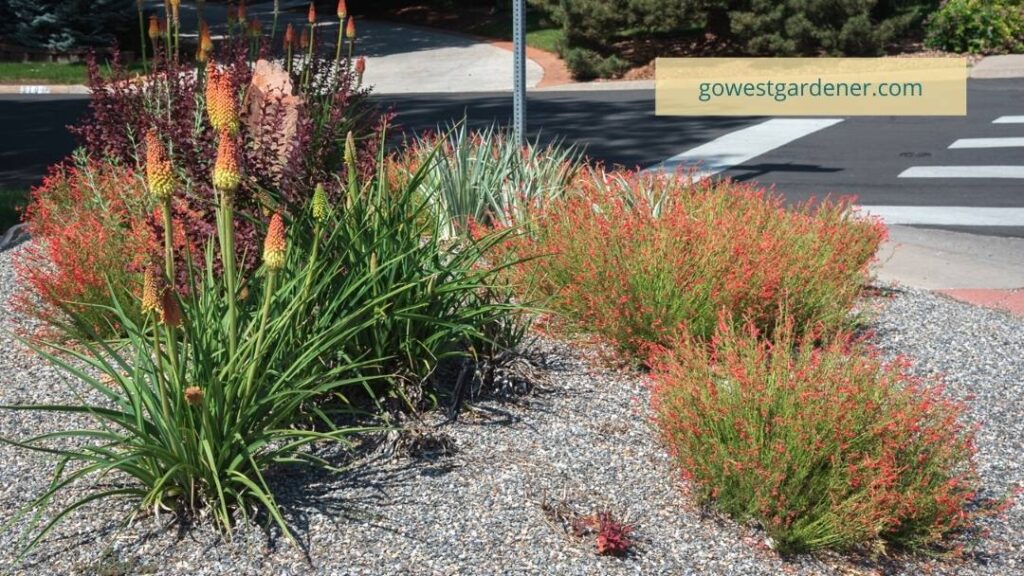
Instead, it helps to look for perennials that prefer the local growing conditions in your yard.
Before you buy flowers you know from other parts of the country (and yes, you’ll see them at the big box stores), explore flowers that grow well here. Check out websites like: PlantSelect.org, WaterwisePlants.org, and the Colorado Native Plant Society.
When you choose the right plants for the right places in your yard, you’ll be able to put your feet up and enjoy the beauty you’ve created—rather than making more work for yourself and racking up a hefty watering bill.
Speaking of watering…
2) Even drought-tolerant flowers need to be well watered their first year.
I learned this one the hard way when I planted my first perennial garden in Colorado.
Ahem.
Drought-tolerant flowers are plants that don’t need a lot of water to grow. However, they aren’t ready for our semi-arid conditions as soon as they’re planted. It isn’t instant.
Typically, they need consistent watering during their first growing season while their roots are getting established in the ground. Then, you can reduce how much you water them.
3) Buying smaller plants can (usually) give you bigger impact quickly.
Yep, you read that right.
There are perks to buying plants in smaller pots at the garden center, rather than getting the big, showy plants you see in larger containers. For example, smaller perennials with good root systems are known for getting established and growing faster than big plants.
Here’s why:
When your plants are small, they can put their energy into establishing their roots. And plants with healthy roots are more likely to survive our tough climate and push out new growth quickly.
(Not to mention… Smaller plants usually cost less and don’t use as much plastic in their containers. Win, win!)
Bigger plants, on the other hand, have more physiological stress after they’ve been planted. They have to support ALL the leaf, stem and flower growth that’s already on the plant.
And our climate doesn’t help.
Our high-elevation sunlight, semi-arid conditions and drying winds pull the water right out of them. Bigger plants can wilt or become stunted because they don’t have strong enough roots yet to support all of their above-ground growth.
So, when you head to the garden center to buy perennials, what plant size should you buy?
Denver Botanic Gardens suggests choosing perennials in quart-size containers. Quart-size containers are the pots you can hold in one hand. (You can find more of their western best practices for gardens here.)
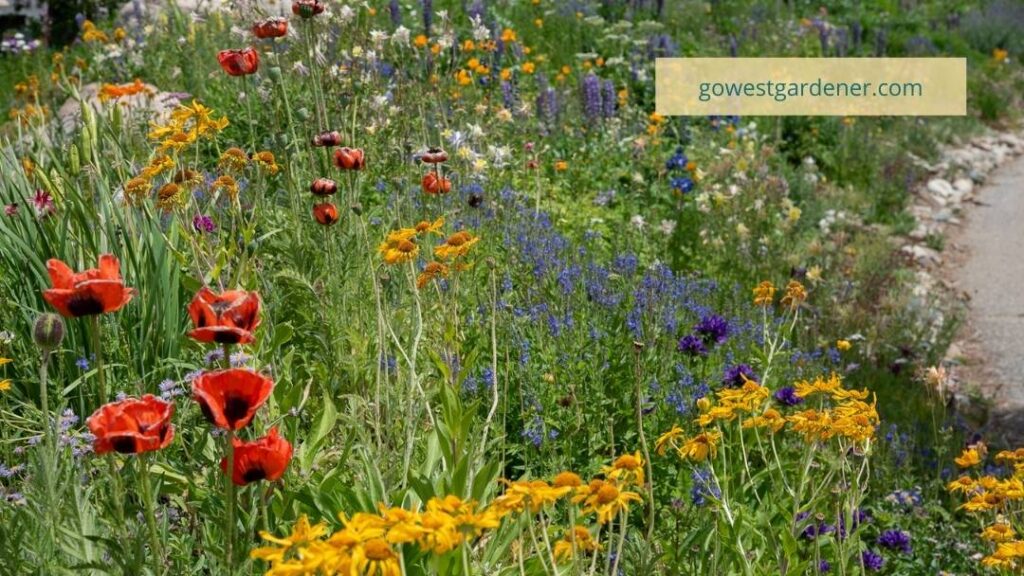
4) Many western plants prefer soil (dirt) that isn’t rich and fertile.
Your soil—aka, your dirt—plays a big role in how happy and healthy your plants are.
In traditional agriculture, if you want to improve your soil, you typically add compost. (Compost is organic matter you can buy at the store or make at home from materials like leaves and food scraps.)
And yes, compost can be helpful, especially when you’re growing vegetables or perennials that thrive in other parts of the country, like the East Coast or the Pacific Northwest. These plants often like fertile soils.
But in western states like Colorado and Utah, this isn’t always the case. It depends on the types of plants you’re growing.
Drought-tolerant western flowers often prefer “leaner” soils that drain well. Lean soils may have a little organic material in them—but not much.
So what’s the takeaway here? If you’re planting a perennial garden in Colorado or Utah with western plants, the way that you get your soil ready will likely be different than if you’re planting a vegetable garden or a traditional perennial garden.
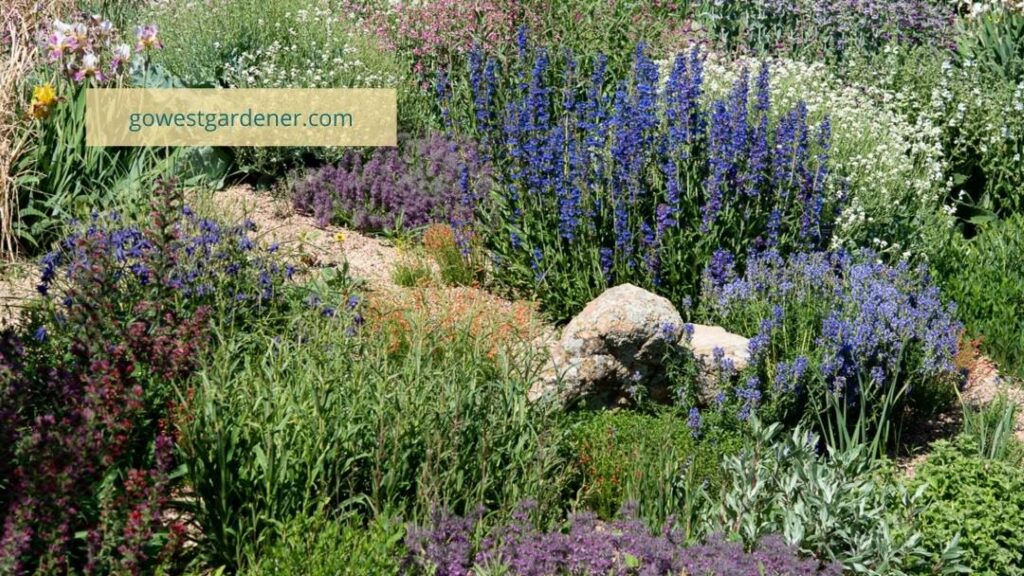
5) It may take a few years for your flower garden to reach its full glory. (This is normal.)
Perennials can take up to 3 years to reach their full size.
I mention this because it’s natural to plant a perennial garden in Colorado or Utah, and think, “This flower garden doesn’t look ANYTHING like my neighbors’ gardens.”
Trust the process. Your plants will grow, but it can take a year (or two) for your plants to get established.
Resist the urge to plant your flowers closer than is suggested. This will create more work for you later.
You’ll have a beautiful flower garden before you know it.
Related topics that may interest you:
- 5 inspiring garden trends shaping western gardens
- Where can I learn about waterwise flower gardening?
- When should I plant perennials in the spring in western states like Colorado?